
Complicity and Moral Compromise
The TestamentsAunt Lydia's inner conflict between her role as an enforcer of Gilead and her secret resistance.
increasing Bearing strength in each event
 decreasing
Bearing strength in each eventdecreasingThe Thank Tank Experience
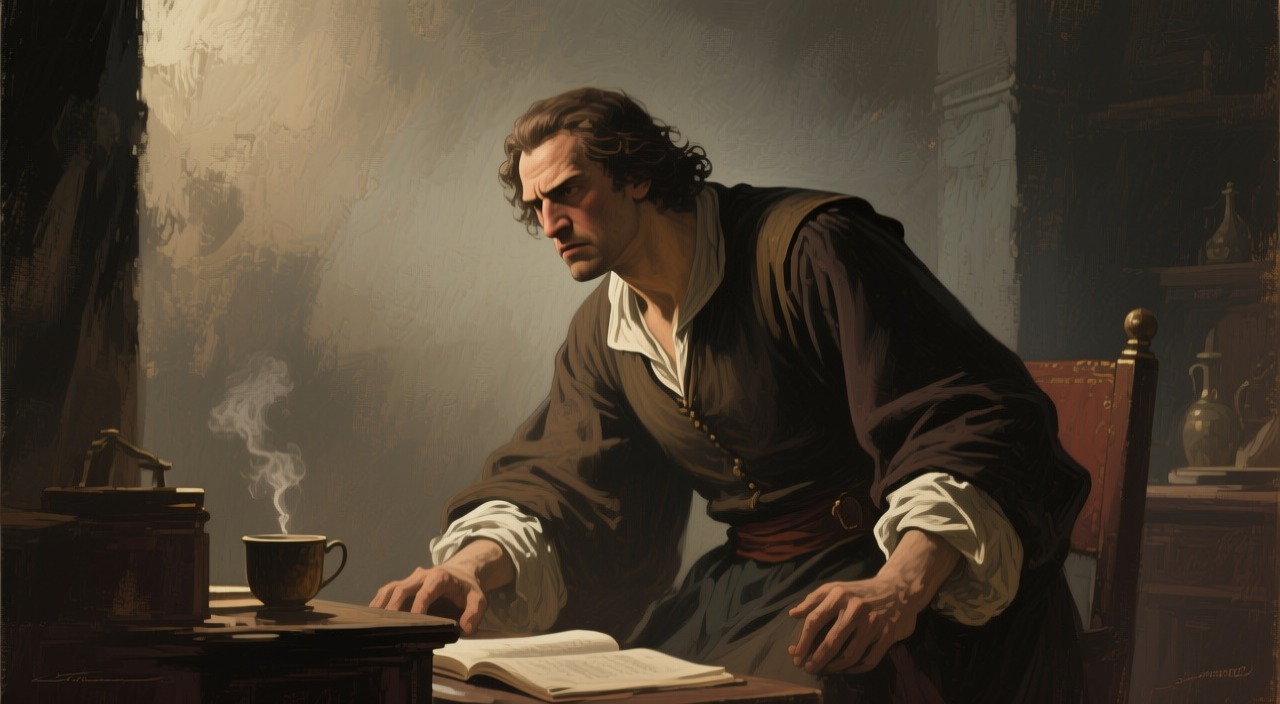
Breaking the Judge
The Arrest
Lydia is arrested with other female judges. She is taken to a stadium and then to a solitary cell called the Thank Tank. She is beaten and starved. She endures isolation and terror.
The Choice
Commander Judd offers her a choice: cooperate or die. She is forced to participate in an execution, shooting a woman who was her colleague. She vomits afterwards. She has become a killer.
The Justification
Lydia tells herself that she had no choice. She tells herself that she can do more good from within. She tells herself that she will survive and eventually exact revenge. But she knows she is complicit in the regime's crimes. This guilt drives her later actions.
Building the System
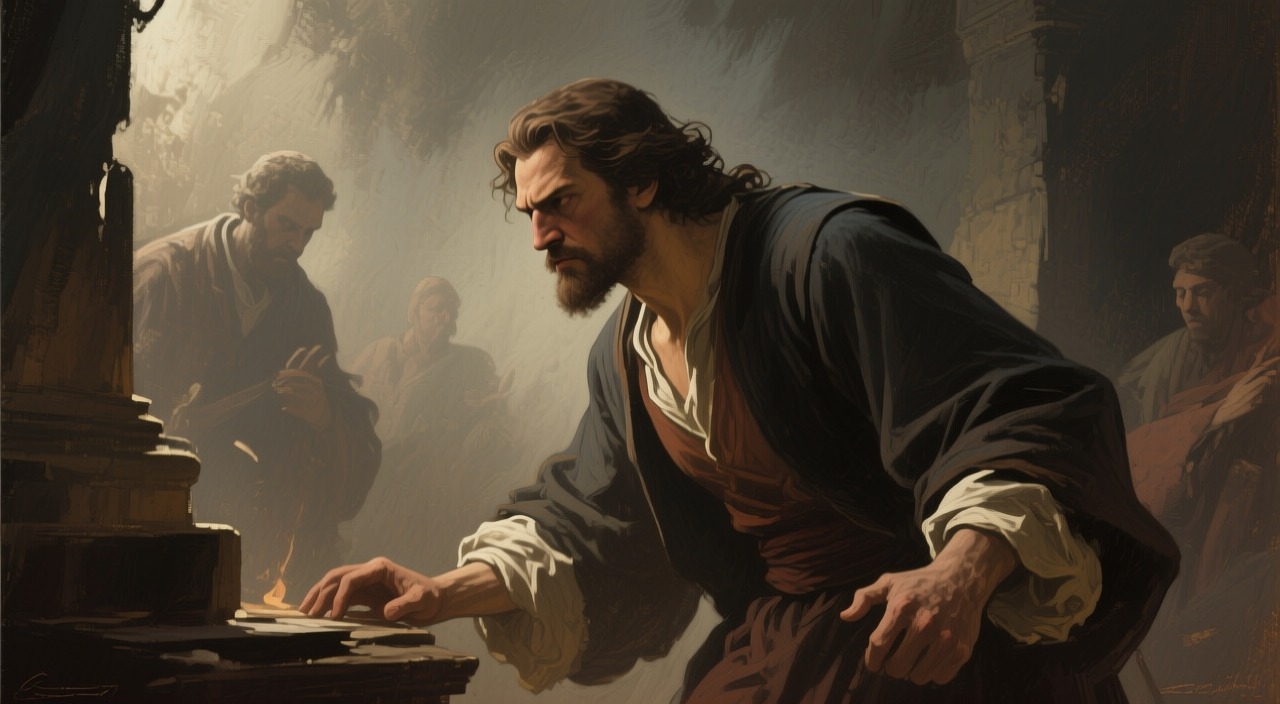
Architect of Oppression
The Laws
Lydia helps create the laws that govern women: the dress codes, the marriage system, the Handmaid program. She knows these laws are cruel, but she rationalizes them as necessary for stability.
The Slogans
She writes hymns and mottoes like 'Per Ardua Cum Estrus.' She knows they are nonsense, but they serve to control the masses. She is a propagandist. She tells herself that she is keeping the system less brutal than it could be.
The Seeds of Doubt
Over time, she sees the corruption of the Commanders. She begins to collect evidence against them. She knows that she is part of the machine, but she also knows that she is the only one who can dismantle it from within. Her moral compromise is a slow poison, but it also gives her the power to act.
The Final Betrayal

A Reckoning
The Decision
Lydia decides to send the microdot with Nicole. She knows that if she is caught, she will be executed. But she also knows that if she does nothing, Gilead will continue. She chooses to betray the regime that she helped build.
The Price
Lydia will not survive to see the fall. She will be killed by the Eyes. But she has made her peace. She writes her holograph as a defense of her life, but also as a confession. She knows that she is neither a hero nor a villain, but a human being who made terrible choices.
The Legacy
The statue in Boston Common includes the inscription 'A.L.' in recognition of her services. The future historians debate her authenticity. But the truth is that she played a crucial role in ending Gilead. Her complicity was a sin, but her redemption was in her final act.
during the early days of Gilead, when Lydia is imprisoned
the early years of Ardua Hall
the last days of the story, when Lydia sends the microdot
